Signs Your Home Needs Rewiring | DB Electrical Brisbane Northside
Flickering lights, burning smells, warm power points or frequent trips? Learn the common warning signs your Brisbane
home may need rewiring and when to book an electrical inspection.
Signs Your Home Needs Rewiring (Before Something Fails)
Older homes across Brisbane (especially post-war and 70s–90s builds) were never designed for today’s electrical load. Between air
conditioning, dishwashers, induction cooktops, home offices, EV chargers and multiple devices on charge every night,
the wiring and circuits in many homes are working harder than ever.
The tricky part? Electrical issues often start small. A “little flicker” here or a power point that “sometimes works” there can be early
warning signs. Spotting them early can help you avoid bigger problems later — including damaged appliances, repeated power
outages, or even electrical fires.
Below are the most common signs your home may need rewiring (or at least an electrical assessment) before something fails.
Flickering or dimming lights (especially when appliances turn on)
If your lights flicker when the air con kicks in, the kettle boils or the washing machine starts, it can point to:
• overloaded circuits
• loose connections
• voltage drop issues
• ageing wiring that can’t handle modern demand
Occasional flicker can happen, but regular flickering or dimming is worth having checked — particularly in older homes.
Burning smells, scorch marks or discolouration
A burning smell near a switchboard, power point, light fitting or appliance is a red flag. It can indicate overheating wiring, melted
insulation, or failing connections. You might also notice:
• brown/black marks around a power point
• a switch that looks discoloured
• plastic covers that appear melted or warped
If you smell burning or see visible scorching, turn the affected circuit off (if safe to do so) and arrange an urgent inspection.
Warm switches, power points or buzzing sounds
Switches and power points should never feel hot or unusually warm. Heat often means resistance in the wiring — commonly from
loose terminals, worn components, or damaged cable insulation. Buzzing sounds can also suggest arcing (electricity jumping where
it shouldn’t), which can become dangerous quickly if ignored.
Your safety switch (RCD) or breaker trips often
Safety switches are designed to trip when they detect a fault, and breakers trip when a circuit is overloaded or shorting. If you’re
resetting them regularly, something isn’t right.
Frequent tripping can be caused by:
• deteriorating wiring
• moisture-related faults
• overloaded circuits (too many appliances on one circuit)
• failing appliances or fittings
• outdated switchboards or circuit protection
Sometimes the fix is as simple as separating loads onto dedicated circuits. Other times, it’s a sign your wiring has reached the end
of its safe lifespan.
Power points that are loose, cracked, sparking or unreliable
If a power point feels loose, has a cracked faceplate, or sparks when you plug something in, it’s not just “annoying” — it’s a safety
issue. Unreliable outlets can also point to deteriorating wiring behind the wall.
A common scenario in older homes is outlets that were never installed for high-use modern appliances. If you’re relying on double
adaptors and power boards, it may be time to upgrade circuits and add extra outlets (and potentially rewire sections).
You’ve got old wiring types (and you’re not sure what’s in the walls)
Some older wiring types and installations can present problems as they age — especially if they’ve been disturbed during
renovations or exposed to heat and insulation over time. Even if everything seems “fine”, aged wiring can become brittle and more
likely to fail.
If your home is older and hasn’t had an electrical upgrade in decades, an inspection can confirm what wiring is installed and
whether it’s still safe.
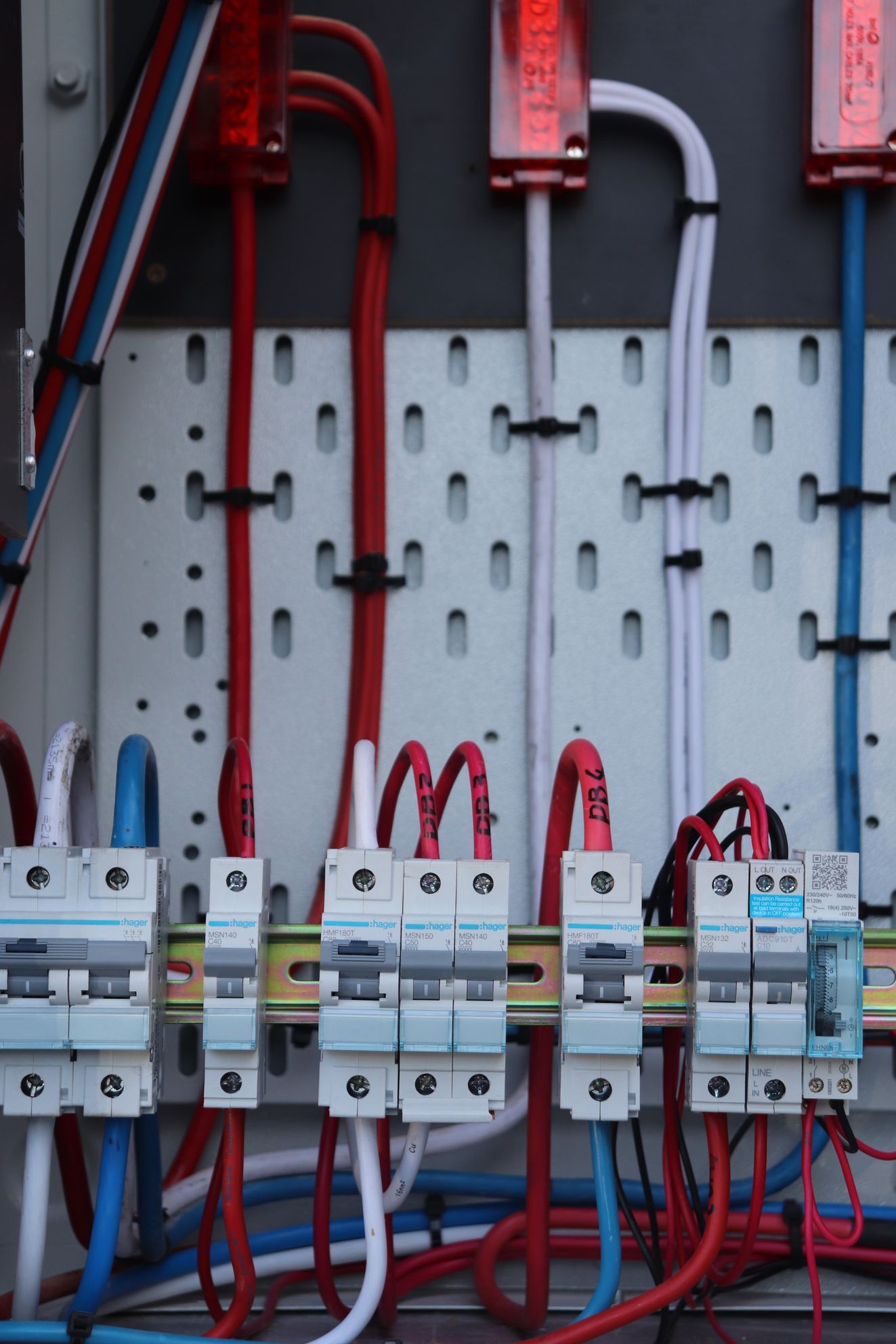
The switchboard looks outdated (or doesn’t have modern safety protection)
Your switchboard is the heart of your electrical system. Signs it may be overdue for an upgrade include:
• old ceramic fuses
• limited circuits (everything on just a few breakers)
• no visible safety switch (RCD) protection
• cramped, messy wiring inside the board
• scorch marks or heat damage
A rewire and a switchboard upgrade often go hand-in-hand — especially when adding new circuits for modern appliances.
Renovating, extending, or adding high-load appliances
If you’re renovating a kitchen or bathroom, adding air conditioning, installing a new oven/cooktop, or planning an EV charger — it’s
the ideal time to check whether your wiring and circuits are up to the job.
Rewiring during a renovation can:
• reduce patching and labour costs
• allow neat cabling runs before walls are sealed
• future-proof circuits for the next 10–20 years
Do you need a full rewire — or just targeted upgrades?
Not every home needs a complete rewire. In many cases, the safest and most cost-effective option is a targeted upgrade
(for example: a switchboard upgrade, a few new dedicated circuits, or replacing deteriorated wiring in specific areas).
The best first step is a proper assessment. We can inspect your wiring, circuits and switchboard, identify the cause of issues like
flickering lights or frequent tripping, and recommend the right solution — without overquoting or guessing.
Need an electrician on Brisbane’s Northside?
If you’re seeing any of the warning signs above, it’s worth getting it checked before it turns into a bigger (and more expensive)
problem. DB Electrical provides reliable electrical inspections, rewiring and switchboard upgrades across Brisbane’s Northside.
Call DB Electrical today to book an assessment and get clear advice on the safest next step.
Your Local Electricians in Brisbane
The team at DB Electrical are here to help should you need any assistance, just give us a call on 07 3889 7788
Your local Brisbane-based Electricians since 1986, we are your seasoned professionals.
Home rewiring Brisbane, house rewire cost Brisbane, signs you need rewiring, flickering lights electrician,
switchboard upgrade Brisbane Northside, electrical safety inspection Brisbane