
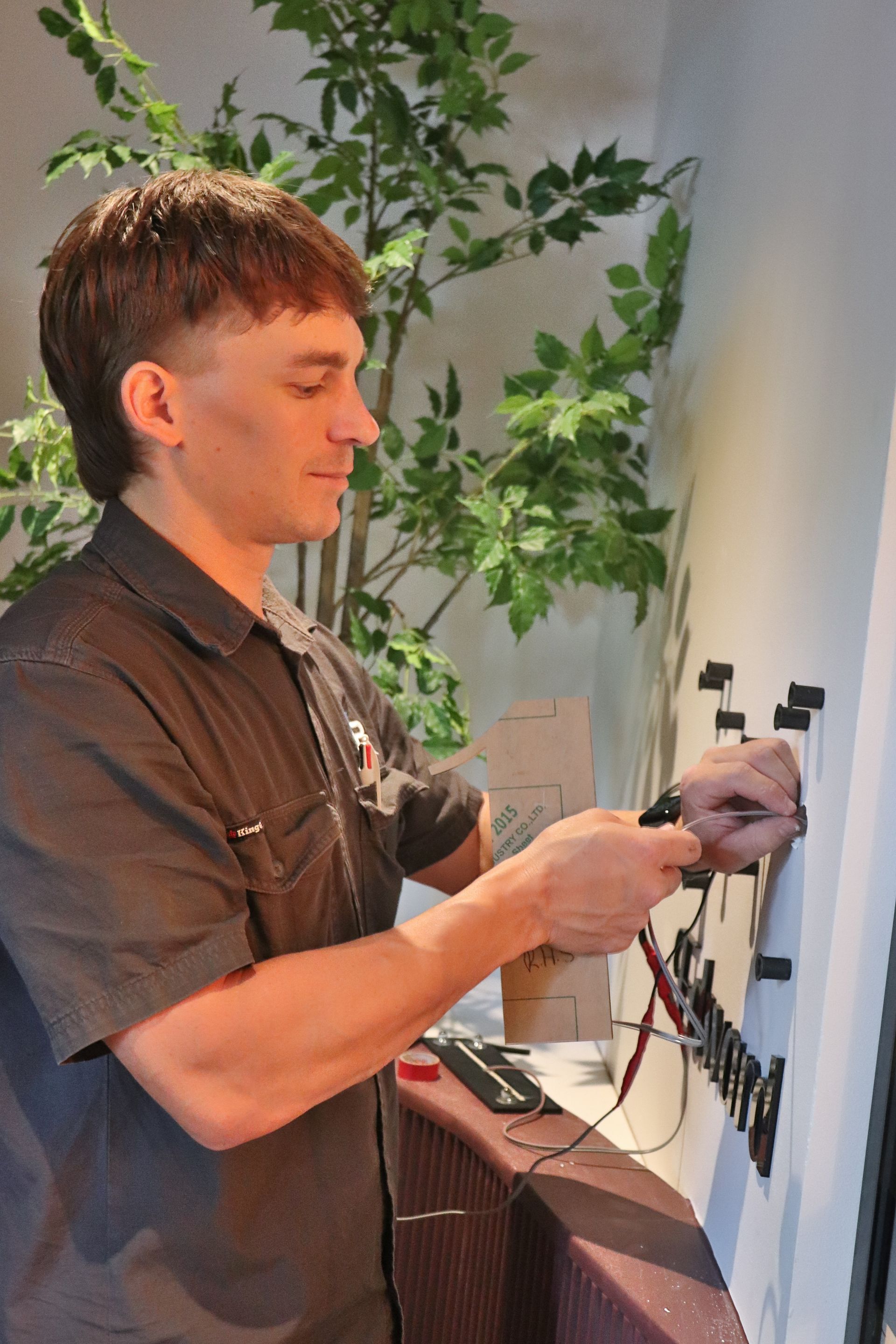
Electrical Rewiring
The electrical wiring in your home is typically hidden within walls, ceilings, and concrete slabs, making proper installation both complex and essential. Any mistakes during a home rewire could jeopardize your property, damage valuable appliances, or create potential hazards for your family and pets. Rewiring your
home is critical to ensuring that your electrical system remains safe, dependable, and capable of handling modern energy demands. Over time, wiring can deteriorate, and older systems may struggle to support the growing number of electrical devices and appliances in your home in
Brisbane.
Our home rewiring services begin with a detailed inspection of your existing wiring, allowing us to identify any risks or outdated components that need replacement. We then upgrade your system with high-quality, energy-efficient wiring solutions designed to meet current standards.
Whether you're renovating and updating your electrical system or addressing ongoing issues like power outages, tripped circuits, or faulty wiring, we offer tailored rewiring solutions to fit your needs. Our experienced electricians manage everything from rewiring individual rooms to complete home rewires, ensuring full compliance with local safety codes and industry regulations. With our expert service, we guarantee an upgraded electrical system that will keep your home safe, efficient, and equipped for years to come.
Q. What does “rewiring a house” include?
A. Rewiring usually means replacing old or unsafe cabling and upgrading circuits so your home can safely handle modern power use. Depending on the house, it can include new wiring, new circuits where needed, updated switches and power points, and full electrical testing at the end. We’ll confirm exactly what’s required after an inspection, so you’re not paying for work you don’t need.
Q. How do I know if my home needs rewiring?
A. Common signs include flickering or dimming lights, warm switches or power points, burning smells, buzzing, frequent safety switch trips, or inconsistent power. Age is another clue — older homes often weren’t designed for today’s appliance loads. If you’re unsure, an inspection can quickly identify whether it’s a full rewire, a partial upgrade, or a specific fault.
Q. Can you rewire only part of a house?
A. Yes. Partial rewires are common during renovations or when only certain areas have older wiring. We’ll assess what’s already there, prioritise any safety risks, and recommend the most practical staged plan so the home stays safe and compliant.
Q. Will rewiring mean cutting holes in walls and ceilings?
A. Sometimes, yes — access is the biggest factor. We always aim to use existing cavities, roof space and underfloor access where possible to minimise disruption. If cutting is needed, we’ll talk you through where and why before we start so there are no surprises.
Q. Do I need to upgrade my switchboard if I’m rewiring?
A. Not always, but it’s common. If the switchboard is outdated, crowded, or missing modern safety protection (like RCDs/safety switches), upgrading it can be the safest and most cost-effective way to support new wiring. We’ll check your current board and recommend upgrades only if they’re genuinely needed.
Q. Can I stay in the house while it’s being rewired?
A. Often you can, but expect periods where power is off in parts of the home. For larger rewires, some people choose to stay elsewhere for comfort and convenience, especially if the kitchen, bathrooms, or multiple rooms are affected at once. We’ll outline the expected downtime and help you plan the least disruptive approach.
Q. Is rewiring worth it if I’m renovating?
A. Yes — renovations are one of the best times to rewire because access is easier and you can design circuits around how you’ll actually use the space. It can also prevent you from finishing walls and then needing to reopen them later for electrical upgrades. A planned rewire improves safety, capacity and long-term reliability.
Q. Will rewiring stop power trips and flickering lights?
A. It often helps, especially if the cause is old wiring, overloaded circuits, or deteriorated connections. That said, some trips can be caused by specific faulty appliances or a single circuit fault, not the whole house. We’ll identify the root cause first so you get the right fix — whether that’s a targeted repair, a circuit upgrade, or a full rewire.